
Every month your energy bill arrives, and every month it feels a little harder to explain. If your home always seems too hot in summer, too cold in winter, or just plain expensive to run, the culprit is often a heating and cooling system that’s quietly wasting money without any obvious signs of failure. The good news is that most of these money leaks are easy to spot once you know what to look for. This guide breaks down seven telltale signs your system is costing you more than it should, so you can catch the problem before it drains your wallet any further.
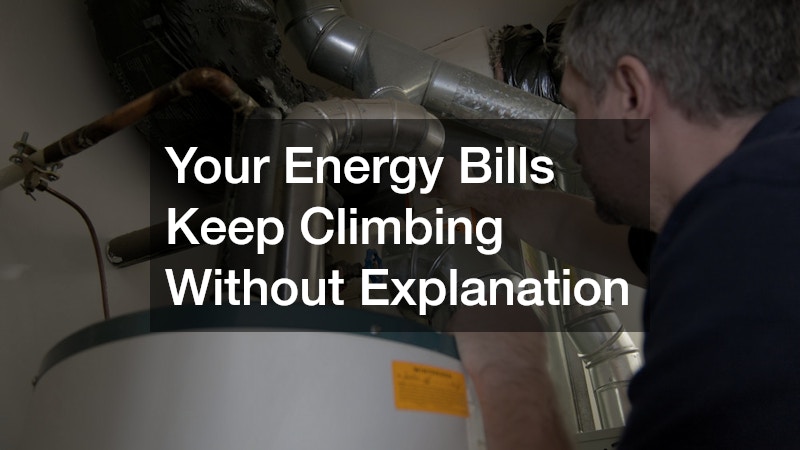
Your Energy Bills Keep Climbing Without Explanation
A steady increase in your monthly utility costs, especially when your usage habits haven’t changed, is one of the clearest signals that your system is losing efficiency. Aging components, dirty coils, worn-out parts, and clogged filters all force your equipment to work harder to produce the same results, and that extra effort shows up directly on your bill. Even a small mechanical issue can translate into a noticeable spike, since a system running at reduced efficiency often uses 10 to 25 percent more energy than one in good working order.
The best way to catch this pattern is to compare your current statements to those from the same month last year rather than to last month, since heating and cooling costs naturally fluctuate with the seasons. Look specifically at your usage numbers, not just the total dollar amount, because rate increases from your utility provider can mask or exaggerate what your system is actually consuming. If your kilowatt-hours or therms have crept upward year over year despite similar weather and habits, that’s a genuine red flag rather than normal seasonal variation.
It also helps to track a few months in a row rather than judging from a single bill, since one unusually hot or cold spell can skew the picture. Keeping a simple spreadsheet or using your utility company’s online usage-history tool makes these comparisons easy and can reveal a slow, creeping decline in efficiency long before your system fails outright.
Compare Your Bills
Before you assume the worst, pull out a few past bills and compare them to the same months last year. A 10-15% increase might be explained by utility rate hikes, but anything beyond that, especially during stretches of mild spring or fall weather when your system shouldn’t be working hard, points to a mechanical problem rather than simple price creep.
If the numbers keep trending upward despite mild weather, it may be time to schedule a professional HVAC service to diagnose what’s driving the inefficiency. A trained technician can measure your system’s actual performance against its rated output, checking refrigerant levels, airflow, and electrical draw to see where things fall short. They’ll also inspect for common culprits like a failing capacitor, clogged condenser coils, or a blower motor working harder than it should.
Catching this early often costs far less than waiting until a full breakdown forces your hand. A diagnostic visit typically runs a fraction of the price of an emergency repair or full system replacement, and fixing small inefficiencies now can shave real money off your monthly bills going forward.
Some Rooms Never Feel Comfortable No Matter the Season
Uneven temperatures from room to room are rarely just an annoyance; they usually point to problems with ductwork, insulation, or a system that’s improperly sized for your home. A bedroom that’s always stuffy in summer or a living room that never warms up in winter forces you to rely on space heaters or extra fans, both of which add to your energy costs. Over time, these small workarounds add up to a noticeable chunk of your monthly bill.
Persistent hot and cold spots are a common reason homeowners start researching air conditioning upgrades, since a mismatched or aging unit often can’t distribute air evenly throughout the house. Before assuming you need new equipment, though, it’s worth having ductwork and insulation checked, since leaks or gaps can be just as responsible for uneven comfort as the unit itself.
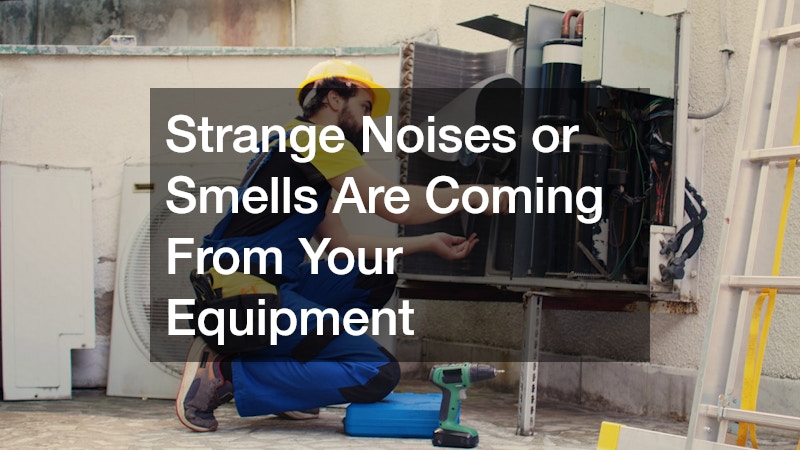
Strange Noises or Smells Are Coming From Your Equipment
Banging, rattling, squealing, or grinding sounds are your system’s way of telling you something is mechanically wrong, and ignoring these noises usually leads to bigger repair bills down the road. Musty or burning smells are equally concerning, often signaling mold growth in the ductwork or an electrical issue that could become a safety hazard. Neither of these problems fixes itself, and both tend to worsen the longer they’re left unaddressed.
- Rattling sounds often point to loose panels or failing motor mounts
- Squealing can indicate a worn belt or bearing in need of lubrication
- A burning smell may signal an electrical short and warrants immediate attention
- Musty odors frequently mean mold or mildew buildup inside the ducts
If you notice any of these warning signs, contacting local HVAC repair professionals quickly can prevent a minor issue from turning into a costly emergency. Technicians who know your area are also familiar with the specific wear-and-tear patterns caused by regional climate conditions, which can speed up diagnosis.
Your System Struggles to Keep Up With Extreme Weather
A properly functioning system should be able to maintain a consistent indoor temperature even during the hottest or coldest days of the year. If your equipment runs constantly without ever quite reaching the thermostat setting, it’s a sign that it’s either undersized, aging, or losing efficiency due to worn components. This constant strain not only drives up your energy costs but also shortens the lifespan of the unit itself.
When home heating struggles to keep pace with winter cold snaps, many homeowners assume the furnace itself is broken, but the issue is sometimes tied to poor insulation or leaky ductwork amplifying the workload. A load calculation performed by a professional can determine whether your equipment is correctly matched to your home’s size and layout, which is often the real source of the struggle.
Your Equipment Is Approaching or Past Its Expected Lifespan
Most furnaces and cooling systems are designed to last between 15 and 20 years, but efficiency typically starts declining well before that point. Older systems use outdated technology that simply can’t compete with the energy-saving features built into newer models. If your equipment is in that later stage of life, you’re likely paying a hidden efficiency tax every single month even if it hasn’t broken down yet.
- Furnaces typically last 15 to 20 years with regular maintenance
- Cooling units average 12 to 15 years of service
- Heat pumps often need replacement between 10 and 15 years
- Efficiency losses usually begin several years before total failure
If your unit falls into this range, it’s worth having a professional evaluate whether repairs still make sense or whether AC replacement would save you more money over time. In many cases, the cost of frequent repairs on an aging unit exceeds what you’d spend on financing a new, more efficient system.
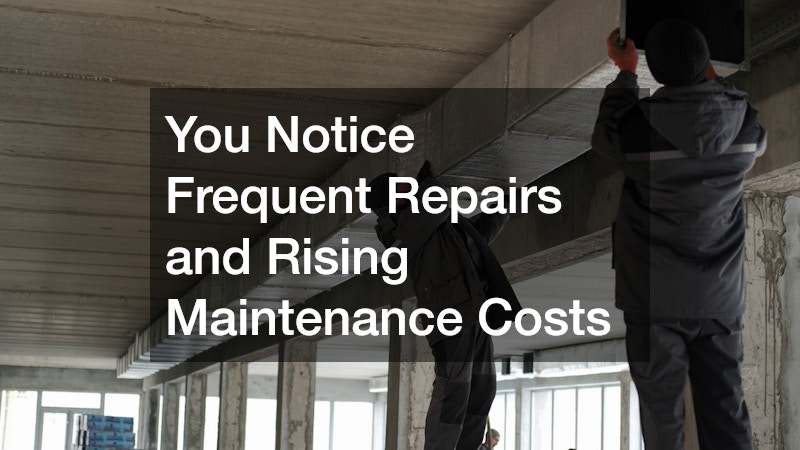
You Notice Frequent Repairs and Rising Maintenance Costs
A single repair here and there is normal, but a pattern of frequent service calls is a strong indicator that your system is on its last legs. Each repair might seem manageable on its own, but the cumulative cost often rivals or exceeds the price of new equipment within just a couple of years. This is sometimes referred to as the “repair spiral,” where homeowners keep patching an old system instead of addressing the root problem.
Reputable HVAC contractors can help you track repair history and calculate whether continued fixes make financial sense compared to replacement. Many companies offer free assessments that lay out the numbers clearly, so you’re not left guessing whether another repair is truly worth it.
Your Thermostat Settings Don’t Match Your Actual Comfort
If you find yourself constantly adjusting the thermostat but never feeling truly comfortable, your system may not be communicating accurately with its controls. Outdated or poorly calibrated thermostats can cause your equipment to run longer than necessary or shut off before reaching the desired temperature, both of which waste energy. This mismatch between setting and reality is often overlooked because homeowners assume the thermostat is working correctly by default.
Upgrading to a smart or programmable model is one of the simplest and most affordable HVAC products you can invest in to regain control over your comfort and spending. These devices learn your schedule, adjust automatically, and often provide usage reports that reveal exactly where your energy is going.
You Haven’t Scheduled Maintenance in Over a Year
Heating and cooling systems, like any mechanical equipment, need regular upkeep to perform efficiently. Skipping annual maintenance allows dust, debris, and worn parts to accumulate unnoticed, gradually reducing performance until a bill spike or breakdown forces the issue. A simple seasonal tune-up can catch small problems before they escalate into expensive repairs.
- Dirty filters can reduce airflow and increase energy use significantly
- Refrigerant leaks reduce cooling capacity and strain the compressor
- Loose electrical connections can create safety hazards over time
- Clogged condensate drains can lead to water damage and mold growth
Reaching out to established residential AC companies or well-reviewed HVAC companies in your area for a routine inspection is one of the most cost-effective steps you can take. Many providers offer maintenance plans that bundle seasonal checkups at a reduced rate, making consistent upkeep easier to budget for throughout the year.

You’re Unsure Which Local Provider to Trust for Repairs
Even homeowners who recognize the warning signs often get stuck at the final step: finding a reliable company to handle the fix. Not all providers offer the same level of expertise, and choosing based on price alone can lead to rushed diagnoses or subpar repairs that don’t actually solve the problem.
A few credentials are worth checking before you commit. Confirm the company is licensed and insured in your state, ask whether technicians hold NATE certification, and look for at least a few years of local operating history rather than a business that popped up last season.
Taking a little time upfront to vet your options can save you from repeat service calls later, along with the frustration of paying twice for a problem that should have been solved the first time.
Not all HVAC contractors are created equal, and choosing the wrong one can cost you more than a bad repair job. Start by reading recent reviews rather than overall star ratings alone, since a company’s last few months of feedback tell you more about their current service quality than reviews from years ago. Confirming licensing and insurance is non-negotiable; ask for proof, not just a verbal assurance, since an uninsured technician who damages your system or property leaves you covering the bill.
Consider Warranty Coverage
Warranty coverage is another key differentiator among local HVAC contractors. Ask specifically whether the warranty covers both parts and labor, and for how long, since some companies only guarantee the equipment while leaving labor costs uncovered if something fails months later.
- Verify licensing, insurance, and manufacturer certifications (like NATE or Energy Star partner status) — ask to see proof, not just a claim on their website
- Confirm liability insurance and workers’ comp coverage so you’re not liable if someone’s injured on your property
- Ask for a written estimate before any work begins, including a breakdown of tasks and expected timeline
- Check for transparent pricing on both labor and parts, and get at least two or three quotes to compare
- Watch for vague line items like “miscellaneous fees” that can inflate a final bill
- Look for companies offering guarantees on their workmanship, ideally 1-2 years on labor
- Check that parts come with manufacturer warranties, and ask who handles the paperwork if something fails later
- Read recent reviews and ask for local references to confirm consistent, reliable service
Recognizing these seven warning signs puts you in a much stronger position to control your energy costs rather than being surprised by them every month. Small issues like a noisy unit or an uneven room temperature rarely resolve on their own, and addressing them early almost always costs less than waiting for a full system failure. Take a close look at your home’s recent performance, and if any of these signs sound familiar, consider scheduling a professional evaluation to get an honest read on where your system stands. Acting now can mean a more comfortable home and a noticeably lighter utility bill in the months ahead.