
Water conservation is frequently discussed in terms of personal habits: turning off the faucet while brushing your teeth, taking shorter showers, or running full loads of laundry. While these daily practices are undoubtedly beneficial, they often overshadow a much larger, more insidious threat to household sustainability. Millions of gallons of potable water are lost every year across residential neighborhoods without anyone ever turning on a tap. Hidden leaks, slowly degrading pipe networks, and neglected appliance infrastructure silently siphon away resources and inflate municipal bills.
Unseen water loss is a compound problem. A slow, steady drip beneath a subfloor or inside a wall cavity does not merely waste a precious natural resource; it quietly compromises structural framing, fosters toxic mold colonies, and drives up municipal sewer charges. Because standard utility meters record all volume passing through the main line regardless of whether it reaches a sink or leaks into a crawlspace, homeowners end up paying top dollar for water that serves no purpose. Taking control of your household water balance requires shifting from reactive repairs to proactive system management. By learning how to audit your plumbing, maintain core mechanical components, and address drainage issues before they escalate, you can protect your financial investment and significantly reduce your environmental footprint.
Auditing Household Fixtures for Unseen Flow and Pressure Drops
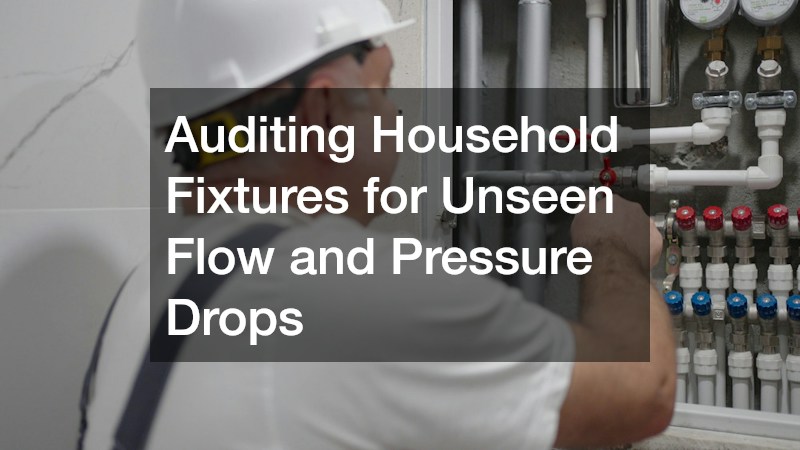
Most homeowners assume that a plumbing leak will make itself obvious with a pooling puddle or a dripping ceiling. In reality, some of the most financially draining water losses occur entirely out of sight inside wall cavities or beneath appliance basements. A toilet flapper that fails to seal completely can waste upwards of two hundred gallons of water a day while remaining practically silent. Similarly, aging water heating tanks often develop internal pinhole leaks or faulty pressure-relief valves that discharge water directly into floor drains without triggering a visual alarm.
Conducting a baseline isolation test using your main water meter is the single most effective way to determine whether your home has a hidden leak. Start by turning off all water-consuming appliances, ice makers, and faucets throughout the property. Locate your primary water meter—usually situated in a basement, utility closet, or outdoor meter box—and observe the leak indicator dial, which is often a small red or triangular flow wheel. If that indicator is spinning even slowly while all fixtures are off, water is actively escaping somewhere in your system.
When isolated fixtures show signs of age or continuous pressure drops, mechanical evaluation becomes necessary. Advanced acoustic leak detecting tools and thermal imaging cameras can locate the exact point of pipe failure behind drywall without requiring destructive demolition. Identifying these micro-fractures early prevents localized moisture buildup, preserves surrounding drywall, and protects internal framing timber from rot.
If your domestic hot water system is more than ten to twelve years old, persistent pressure drops or metallic popping sounds during heating cycles often indicate heavy sediment accumulation and tank wall degradation. At this point, pursuing a modern water heater replacement with a high-efficiency tankless or hybrid heat pump model eliminates standby thermal loss, stabilizes system pressure, and prevents catastrophic tank ruptures that lead to massive water waste. Tankless options heat water strictly on demand, ensuring that standby energy isn’t wasted warming dozens of gallons during hours when the household is asleep or away at work.
Maintaining Main Supply Infrastructure and Private Water Sources
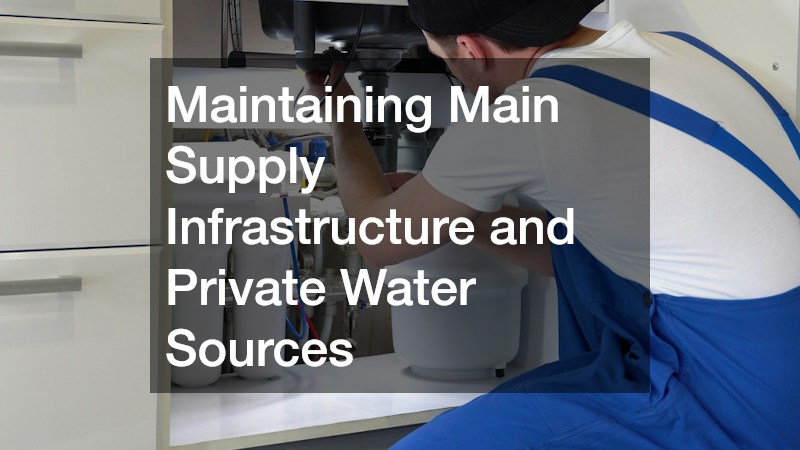
The integrity of a home’s water supply relies heavily on the physical condition of the main service line connecting the municipal main—or private supply—to the building envelope. Underground supply lines are subjected to continuous external stresses, including ground settling, seasonal freeze-thaw cycles, tree root pressure, and shifting soil chemistry. Over time, these environmental forces can cause subsurface connections to crack, weep, or shear completely off, releasing hundreds of gallons of treated water directly into the surrounding soil.
For homeowners relying on private groundwater extraction, maintaining supply infrastructure requires extra vigilance. A leak in a private supply system does not just waste water; it forces submersed pumps to run continuously, driving up electricity bills and drastically shortening the operational lifespan of the pump motor. In addition, continuous unmonitored pumping can draw down local water tables during dry summer months, placing unnecessary stress on the surrounding aquifer.
Steps for Verifying Private and Underground Supply Health
- Monitor your well pump’s pressure switch cycles while no water is running inside the home; frequent cycling or continuous humming indicates a drop in line pressure or a failing check valve.
- Check the ground above your buried main line for patches of grass that appear noticeably greener, taller, or softer than the surrounding yard, which typically signals underground moisture seepage.
- Schedule an inspection with licensed plumbers to perform hydrostatic pressure testing across your primary service lines to detect slow pressure drops before complete pipe failure occurs.
- Consult with professionals specializing in water well drilling to evaluate aquifer depth, assess casing integrity, and rehabilitate aging wellheads if your supply experiences chronic sediment intrusion or declining flow rates.
Resolving Main Line Flow Obstructions to Prevent Backups
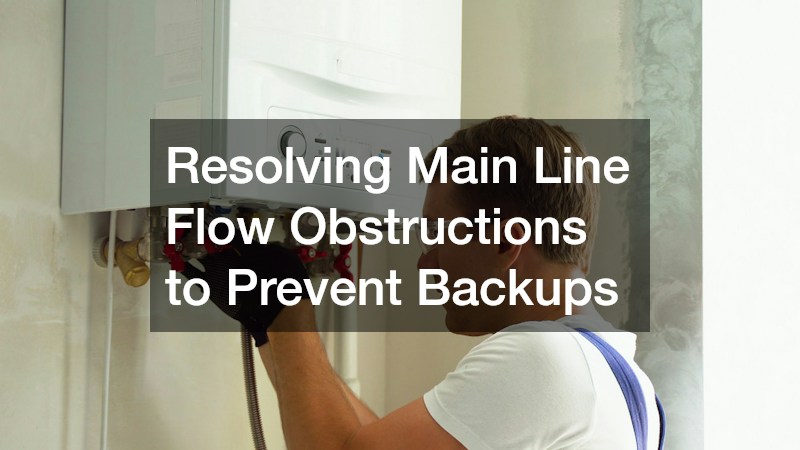
While supply lines bring fresh water into the home under pressure, drain and sewer lines rely entirely on gravity and unobstructed volume to carry wastewater away. When drainage lines become partially blocked by grease buildup, mineral scale, foreign objects, or invasive tree roots, water movement slows dramatically. This internal resistance creates hydro-static backpressure throughout your entire drainage network, expanding pipe joints, accelerating fixture wear, and drastically increasing the risk of raw sewage backing up into lower-level living spaces.
Recognizing early warning signs of wastewater restriction allows you to intervene before a complete, messy blockage occurs. If multiple fixtures gurgle when a toilet is flushed, or if wastewater backs up into a basement shower when the washing machine drains, the underlying issue lies deep within the main sewer lateral rather than inside an individual sink trap. Ignoring these recurring drain problems eventually leads to cracked pipe walls, structural subsoil erosion, and severe environmental contamination around your property foundation.
Chemical drain cleaners purchased off store shelves are rarely a safe or effective solution for major drainage obstructions. These harsh caustic agents generate intense heat that can warp PVC pipes, corrode old cast-iron connections, and melt joint seals, causing far more damage than the original clog while introducing harsh toxins into municipal water processing streams.
Instead, modern mechanical clearing techniques offer a clean, long-lasting fix. Professional drain hydro jetting uses ultra-high-pressure water streams to thoroughly scour the inner walls of sewer lines. This process blasts away grease, breaks down calcified scale, and slices through invasive tree roots without using hazardous chemicals or damaging underground pipe infrastructure, restoring full volumetric flow and eliminating backpressure instantly.
Managing Condensate Waste and Indoor Climate Appliances
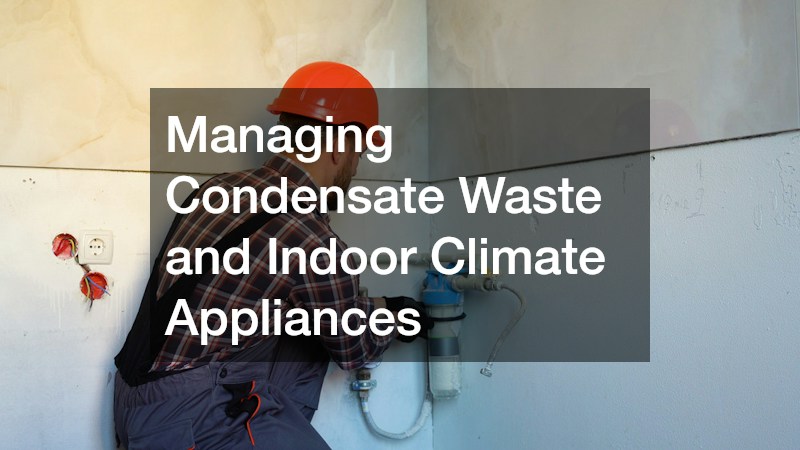
Central air conditioning units, heat pumps, and high-efficiency condensing furnaces process significant amounts of water every single day during peak cooling and heating seasons. As warm, humid air passes over an A/C evaporator coil, moisture condenses out of the air and collects in a primary drain pan. A standard residential cooling system can generate between five and fifteen gallons of condensate water daily. If the primary condensate line becomes clogged with algae, dust, or bacterial sludge, that water overflows the primary pan, leaking directly into ceiling joists, attic floors, or mechanical rooms.
Preventing climate-related water waste and indoor flooding requires integrating seasonal mechanical maintenance into your home care routine. A certified HVAC contractor can clear condensate lines using vacuum extraction, treat drain pans with non-toxic algaecide tablets, and install automated float switches. These safety switches instantly shut down the cooling compressor if condensate levels rise dangerously high, preventing structural water damage repairs and halting system operation before moisture ruins nearby drywall and subfloors.
Furthermore, instead of allowing clean climate condensate to pour straight into municipal sewer drains, forward-thinking homeowners are routing secondary discharge lines into rain barrels or greywater collection tanks. This repurposed, non-chlorinated water is ideal for irrigating flower beds, washing outdoor surfaces, or maintaining lawn health during hot summer spells, turning a potential indoor hazard into a valuable conservation tool.
Mitigating Structural Threats and Restoring Saturated Spaces
Despite best preventive efforts, catastrophic plumbing failures—such as a burst supply line, a failed appliance flex hose, or a severe storm backup—can happen in an instant. When high volumes of water saturate carpet padding, hardwood flooring, insulation, and wallboard, time becomes your most critical factor. Standing water migrates rapidly through porous building materials, wicking upward into framing studs and creating an ideal environment for mold spores to germinate within twenty-four to forty-eight hours.
When a major water disaster strikes, an effective emergency response follows three vital steps:
First, execute immediate source isolation by turning off the main water shutoff valve and turning off electrical circuits leading to the affected area.
Second, begin bulk extraction and containment by pumping out standing water, removing saturated textiles, and setting up containment barriers to prevent humidity from spreading into dry rooms.
Third, initiate structural dehumidification and sanitization by setting up commercial-grade air movers, low-grain refrigerant dehumidifiers, and anti-microbial treatments to extract bound moisture from wall cavities and framing timbers.
Executing a comprehensive drying plan requires specialized equipment capable of measuring internal moisture content deep within structural timber. Contacting a certified water restoration service ensures that commercial-grade air movers, low-grain refrigerant dehumidifiers, and HEPA air scrubbers are deployed immediately to pull trapped moisture out of hidden building cavities.
Navigating the aftermath of a major moisture intrusion requires structural expertise to ensure that structural integrity is completely preserved before rebuild efforts begin. Partnering with a licensed restoration contractor allows homeowners to systematically assess load-bearing timbers, remove contaminated insulation, apply EPA-registered anti-microbial treatments, and safely replace damaged drywall. This thorough approach ensures your home is structurally sound, properly sealed, and fully protected against secondary mold growth or compromised insulation values.
Implementing Smart Monitoring for Continuous Loss Prevention
While physical inspections and seasonal maintenance form the backbone of a water-efficient property, real-time technology provides an indispensable second line of defense. Modern smart water monitoring systems attach directly to your main incoming supply line, constantly reading flow velocity, system pressure, and ambient water temperature. By applying artificial intelligence to recognize signature water usage patterns—such as the distinct fill cycle of a dishwasher or the steady flow of a lawn sprinkler—these devices can instantly distinguish between normal household consumption and an abnormal leak.
When a smart system detects continuous micro-flows, such as a running toilet or a pinhole line tear, it transmits an immediate notification to your smartphone. High-end setups include automated shutoff valves capable of instantly cutting off main supply water when catastrophic flow increases are detected, such as a ruptured washing machine hose or a frozen pipe burst while you are away on vacation. By stopping massive water release within seconds, these smart platforms protect thousands of gallons of municipal supply while shielding your property from tens of thousands of dollars in emergency structural repairs.
Additionally, smart sub-meters can be installed on specific high-consumption branches, such as automated outdoor irrigation networks or swimming pool fill lines. Outdoor irrigation is responsible for a massive percentage of residential water waste, often due to cracked underground lateral lines, broken sprinkler heads, or misconfigured timer schedules. Sub-metering these outdoor zones allows you to identify subsurface line leaks long before they turn your lawn into a soggy marsh, ensuring every drop delivered goes directly toward nourishing landscape roots rather than sinking uselessly into deep subsoil.
Integrating data tracking into your monthly utility budget provides clear financial feedback on your conservation efforts. By comparing month-over-month usage volumes against local weather patterns and household occupancy, you can pinpoint unexpected consumption spikes immediately. If your monthly gallon totals jump inexplicably without a change in household habits, you know instantly that a system audit is required, allowing you to catch minor mechanical faults before they compound into serious utility expenses.
Achieving meaningful water conservation across a residential property requires looking far beyond standard water-saving fixtures and personal habits. True efficiency comes from maintaining structural integrity across every link of your water system—from underground supply lines and climate control condensate drains to primary waste laterals and interior plumbing fixtures. By staying vigilant, scheduling routine system audits, and acting swiftly at the first sign of pressure loss or drainage resistance, you protect your home against costly structural damage, lower your monthly utility expenses, and preserve a vital natural resource for your entire community.