Designing a luxury kitchen used to be solely about the finest marble, the most expensive appliances, and an aesthetic that screamed opulence. However, the modern homeowner defines luxury differently. Today, true high-end design is synonymous with sustainability. It is about creating a space that is not only breathtakingly beautiful but also environmentally responsible, healthy for the family, and built to last for generations. A sustainable luxury kitchen minimizes waste, conserves energy and water, and utilizes non-toxic materials that improve indoor air quality.
The transition toward green living does not mean sacrificing style. In fact, many sustainable materials are more durable and have more character than their mass-produced counterparts. By focusing on quality over quantity and choosing timeless designs over fleeting trends, you can create a culinary sanctuary that respects the planet.
Establishing a Healthier Structural Shell
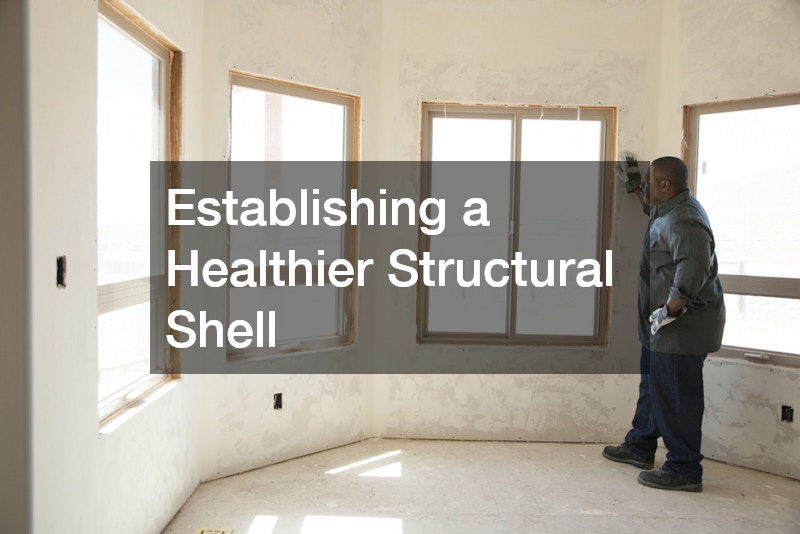
The foundation of any great kitchen lies behind the walls. When we think of a remodel, we often focus on the finishes we can see, but the structural components are just as vital for sustainability. A green kitchen starts with high-quality insulation and moisture-resistant wall systems that prevent mold and improve the thermal efficiency of the home. By ensuring the “envelope” of the room is tight, you reduce the energy needed to heat and cool the space, leading to long-term savings and a smaller carbon footprint.
Selecting the right professionals for this phase is critical because precision prevents future waste. A skilled drywall contractor understands how to install specialized, low-VOC wallboards that do not offgas harmful chemicals into your cooking environment. Using high-recycled-content gypsum board is an excellent way to keep materials out of landfills while providing a smooth, gallery-quality finish for your walls.
Beyond the materials themselves, the installation process must be handled with an eye toward longevity. Proper sealing around outlets and joints prevents drafts that can make a kitchen feel uncomfortable during the winter months. When the wall preparation is handled by an expert, the paint and tile applications that follow will look better and last longer, reducing the likelihood of needing repairs or updates in the near future.
Crafting Heirloom-Quality Storage
In a luxury kitchen, cabinetry is often the most significant investment, acting as the visual and functional anchor of the space. To make this choice truly sustainable, you must move away from the common industry standard of medium-density fiberboard (MDF) or particleboard, which often contain urea-formaldehyde glues that can compromise your indoor air quality for years. Instead, focus on solid wood or high-grade plywood that is FSC-certified, meaning it comes from responsibly managed forests that prioritize biodiversity and ecosystem health. These materials are not only safer for your home’s air quality but are also structurally superior, capable of withstanding the heavy use and fluctuating humidity a busy kitchen demands without warping or degrading.
Working with a local custom cabinet business allows you to have total control over the sourcing of your materials and the ethics of the production line. By choosing a local shop, you significantly reduce the environmental impact associated with transporting heavy goods across the country or overseas, effectively lowering the embodied carbon of your renovation. Furthermore, local artisans often have access to unique, salvaged, or reclaimed woods—such as timber from old barns or fallen urban trees—that add a layer of history and texture to your home that mass-produced, factory-made units simply cannot replicate. This bespoke approach ensures that your kitchen reflects your personal style while supporting local craftsmanship and reducing industrial waste.
The design of your storage should prioritize timelessness to ensure you do not feel the need to remodel in a decade when the latest “color of the year” fades from popularity. Investing in high-quality kitchen cabinets means choosing classic door styles, such as Shaker or flat-panel, and robust hardware that can be refinished or polished rather than replaced. When cabinets are built to furniture-grade standards using traditional joinery like dovetails or mortise-and-tenon, they become a permanent part of the home’s architecture rather than a temporary fixture.
Selecting Low-Impact Natural Surfaces
Countertops are the workhorses of the kitchen, and in a luxury setting, natural stone is the gold standard. However, the environmental impact of quarrying and shipping stone can be high. To mitigate this, look for stones that are sourced regionally or choose varieties that are known for their extreme durability. A countertop that lasts fifty years is far more sustainable than a synthetic surface that may need replacing every fifteen years due to heat damage or staining.
The craftsmanship involved in shaping these heavy slabs is where the artistry meets environmentalism. An experienced stonework contractor will be able to utilize digital templating to ensure the highest yield from every slab of stone. This precision minimizes the amount of offcut waste, and in many cases, a skilled mason can turn the remaining fragments into matching cutting boards, coasters, or even small shelving units, ensuring that nothing goes to waste.
Among the various options available, certain natural stones offer a perfect blend of luxury and resilience. High-quality granite countertops are prized for their ability to withstand high temperatures and resist scratches without the need for intensive chemical sealants. Because granite is a natural product of the earth, it does not require the heavy industrial processing associated with engineered quartz, which often uses petroleum-based resins as a binder.
Partnering with the Right Renovation Experts
A successful sustainable remodel requires a team that shares your vision for a low-impact home. Many general contractors are used to the “fast and cheap” method of construction, which often results in excessive dumpster loads of debris and the use of subpar materials. To avoid this, you must seek out professionals who have a documented history of eco-friendly practices and a commitment to meticulous planning.
When interviewing a potential kitchen remodeling company, ask specifically about their demolition and disposal protocols. A green-certified firm will prioritize deconstruction over demolition, carefully removing old cabinets and appliances so they can be donated or sold for reuse rather than crushed in a landfill. This thoughtful approach ensures that your project contributes to a circular economy while keeping your job site cleaner and more organized.
Protecting Your Resources Through Advanced Filtration
Water quality is a pillar of a healthy, sustainable home. In many luxury households, the reliance on bottled water contributes to a massive amount of plastic waste and carbon emissions from transport. Integrating a sophisticated water treatment system directly into your kitchen design is a hallmark of modern luxury. It provides convenience and health benefits while drastically reducing your household’s reliance on single-use plastics.
The most effective way to ensure every drop of water in your kitchen is pure is to install a professional home water filtration system. These systems can be tucked away discreetly inside your cabinetry, feeding both your main faucet and your ice maker. By removing chlorine, heavy metals, and microplastics at the source, you improve the taste of your food and beverages while protecting your expensive plumbing fixtures from mineral buildup.
High-Performance Plumbing and Flow Management
Water conservation is often overlooked in the kitchen compared to the bathroom, but the kitchen is actually one of the highest areas of water consumption in the home. Modern luxury faucets now feature precision aerators that provide a powerful, satisfying flow while using a fraction of the water required by older models. Selecting high-efficiency dishwashers that use sensor technology to determine soil levels can also save thousands of gallons of water over the life of the appliance.
To ensure these high-tech systems operate at peak efficiency, you should collaborate with specialized plumbers during the rough-in phase of your remodel. They can help design a plumbing layout that minimizes “wait time” for hot water, which reduces the amount of water wasted down the drain. This might involve installing a dedicated recirculating pump or strategically placing the water heater closer to the kitchen to maximize thermal efficiency.
Proactive Maintenance to Prevent Resource Loss

Once your sustainable luxury kitchen is complete, the focus shifts to preservation. Maintenance is an often-forgotten component of green living; keeping your systems running perfectly prevents the need for early replacements and avoids the waste of natural resources. In the kitchen, the drainage system is under constant stress from organic matter, fats, and oils that can cause slow leaks or blockages if not managed correctly.
Relying on harsh chemical cleaners is detrimental to your home’s pipes and the local water supply. Instead, scheduling a professional drain cleaning every few years is a much more eco-friendly way to maintain your system. Professional mechanical cleaning removes buildup without introducing toxins into the environment, ensuring that your plumbing remains clear and functional for decades without the risk of corrosive damage to the pipes.
Invisible Conservation via Early Warning Systems
The most sustainable home is one that is protected from sudden disasters. Water damage is a leading cause of major home renovations, often requiring the complete gutting of a kitchen. By investing in smart home technology, you can prevent these catastrophes before they start. Modern sensors can now detect moisture levels that are invisible to the naked eye, providing a high-tech layer of security that fits perfectly into a luxury lifestyle.
Integrating automated leak detections into your home’s smart hub allows for real-time monitoring of your entire plumbing network. If a pipe behind a wall or under the sink begins to weep, the system can send an alert to your phone or even automatically shut off the main water supply. This technology not only saves the massive amount of water that would be lost during a major burst but also protects the high-end materials you have invested in from the devastating effects of rot and mold.
Designing for a Lifetime of Use
True sustainability in the kitchen is achieved through several key strategies that prioritize long-term utility over short-term convenience:
- Material Selection: Prioritizing natural, renewable, or recycled materials that have a long lifespan and low toxicity ensures that your kitchen remains healthy and durable.
- Energy Efficiency: Choosing appliances with high Energy Star ratings and installing LED lighting with smart dimmers significantly lowers daily power consumption.
- Water Management: Combining high-efficiency fixtures with advanced filtration and smart monitoring systems protects our most precious liquid resource.
- Waste Reduction: Working with contractors who prioritize deconstruction and recycling over standard demolition keeps usable materials out of landfills.
- Local Sourcing: Reducing the carbon footprint of your project by hiring local artisans and purchasing regional materials supports the local economy while cutting transportation emissions.
Elaborating on these principles requires a shift from viewing the kitchen as a collection of appliances to seeing it as a holistic, living ecosystem. A lifetime-use design focuses on “adaptive ergonomics,” ensuring that the layout remains functional as the household’s needs evolve over decades. This involves choosing modular components that can be repaired rather than replaced and selecting finishes that develop a beautiful patina rather than showing unsightly wear. By investing in high-quality craftsmanship and timeless silhouettes, you move away from the cycle of “disposable” renovations that define modern consumerism.
A luxury kitchen should be a place of joy and nourishment where the soul of the home is reflected in the integrity of its build. When you know that every element of the room—from the stone on the counters to the pipes under the floor—has been chosen with the health of the planet in mind, the space becomes even more rewarding. This sense of peace comes from the knowledge that your culinary sanctuary does not come at the expense of the environment, but rather stands as a testament to how high-end living can coexist with radical responsibility. In this context, luxury is not just about the cost of the materials, but the peace of mind that comes from enduring, ethical quality.
The beauty of this approach is that it results in a superior product. A kitchen built with solid wood, natural stone, and precision engineering will always feel more luxurious than one built with synthetic substitutes. It will be quieter, healthier, and more efficient. As we look toward the future, the most prestigious homes will be those that exist in harmony with the environment, proving that we can live exceptionally well without compromising the world around us. In the end, a sustainable kitchen is more than just a renovation project; it is a legacy of quality and care that will serve your family and the earth for many years to come.