Reducing energy waste is both an environmental responsibility and a smart way to save on utility bills. Many homeowners overlook inefficiencies that quietly drive up energy use, from poor insulation to outdated systems and unnoticed leaks. Addressing these issues requires a systematic approach, combining upgrades, maintenance, and modern technology.
Energy-efficient homes not only lower costs but also improve comfort, indoor air quality, and overall property value. Even small adjustments can lead to significant reductions in consumption over time. This guide outlines 11 practical steps to identify and mitigate energy waste, offering tips for each area of your home. Following these strategies ensures that your residence is both environmentally conscious and cost-effective.
1. Enhance Insulation and Seal Leaks
Proper insulation is the foundation of energy efficiency. Gaps in walls, attics, and basements allow heat to escape in winter and cool air to leak in summer. Investing in professional insulation solutions reduces heating and cooling demands, creating a more comfortable living space.
A reputable spray foam company can assess your home and provide targeted insulation that fills cracks and hard-to-reach areas. Spray foam offers superior air sealing and thermal protection compared to traditional materials. By eliminating drafts, homeowners can reduce the workload on HVAC systems, lowering energy consumption and utility bills.
Beyond cost savings, improved insulation enhances soundproofing and prevents moisture issues. A well-insulated home retains consistent temperatures year-round, allowing residents to enjoy comfort without excessive energy use. Taking this first step sets the stage for additional energy-saving improvements throughout the property.
2. Optimize Attic Ventilation
Attic ventilation plays a critical role in maintaining energy efficiency. Poor airflow can trap heat during summer months, causing air conditioning systems to work harder, and create moisture problems during winter that damage insulation. Proper attic ventilation balances temperature, reducing strain on home systems.
Installing or upgrading attic ventilation ensures hot air escapes in summer while preventing ice dams in winter. It also promotes longer lifespan for roofing materials and insulation. Homeowners who address ventilation issues experience more consistent indoor temperatures and lower energy bills.
Regular inspections of attic vents, fans, and openings help identify blockages or wear that could compromise efficiency. By maintaining proper attic ventilation, a home remains energy-efficient, reduces HVAC load, and protects structural elements from unnecessary stress. This step complements insulation improvements for a more sustainable and comfortable living environment.
3. Maintain Garage Doors and Insulation
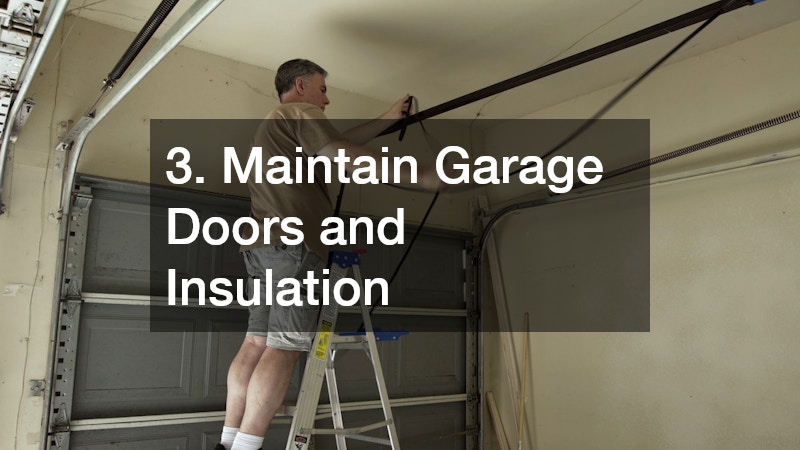
Garage doors are often overlooked when it comes to energy efficiency, yet they are a common source of heat loss or gain. Sealing gaps and maintaining door integrity helps prevent drafts from impacting interior spaces. Proper insulation improves temperature regulation in attached garages and nearby rooms.
A professional garage door service can evaluate your door’s condition, adjust alignment, and recommend insulation solutions. Upgrading to insulated doors or adding weatherstripping helps reduce energy waste while improving comfort. Regular maintenance prevents mechanical issues that could affect door sealing, further enhancing efficiency.
In addition to energy savings, well-maintained garage doors improve security and curb appeal. Combining functional upgrades with routine maintenance ensures that garages contribute to overall home efficiency rather than undermining it. Investing in professional garage door service is a small but impactful step in reducing household energy consumption.
4. Upgrade Windows and Doors
Windows and doors are critical points where energy can escape, and outdated or poorly sealed units contribute to higher energy costs. Modern glazing and tight-fitting frames minimize heat transfer, enhancing both comfort and efficiency.
Working with a reputable glass company ensures proper installation, energy-efficient materials, and long-term performance. Professionals can recommend double or triple-pane options, low-emissivity coatings, and precise sealing techniques to reduce drafts. Window replacement and door upgrades also improve aesthetics and natural light flow, adding value and comfort.
In addition to reducing energy waste, properly installed windows and doors prevent moisture infiltration and improve noise reduction. They complement other efficiency measures like insulation and HVAC optimization. By addressing these entry points, homeowners create a more controlled, energy-efficient environment throughout the year.
5. Upgrade Heating and Cooling Systems
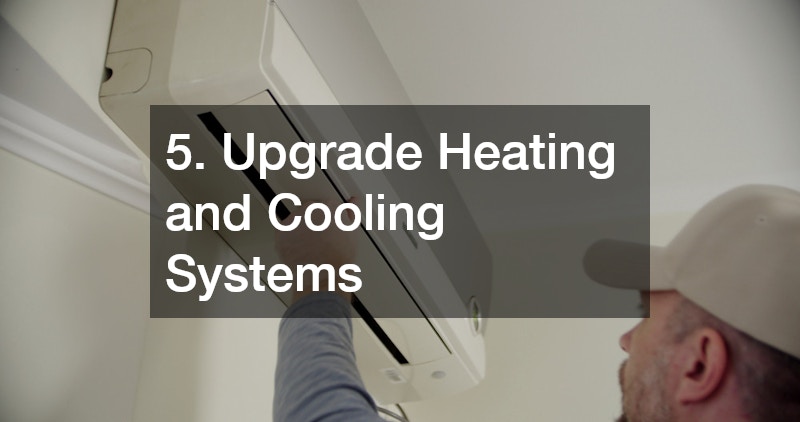
Heating and cooling account for a significant portion of household energy consumption. Older systems often operate inefficiently, wasting energy while increasing utility costs. Replacing outdated units or optimizing existing equipment can dramatically reduce energy usage.
HVAC contractors can assess home heating and cooling needs, recommend appropriate upgrades, and install high-efficiency systems. Regular maintenance, including filter replacement and system cleaning, ensures optimal performance. Upgraded systems not only improve comfort but also extend equipment lifespan and lower long-term costs.
Modern air conditioning units and heating solutions can include zoning options, smart thermostats, and energy-saving features. Combining professional HVAC service with routine monitoring allows homeowners to maintain a consistent, comfortable environment while minimizing energy waste. Efficient heating and cooling are central to achieving a truly energy-conscious home.
6. Maintain and Repair Furnaces
Furnaces are the backbone of winter heating, and inefficient units contribute to high energy bills and uneven comfort. Timely furnace repair restores performance, reduces energy consumption, and prolongs system lifespan.
Professional furnace repair addresses issues such as clogged filters, worn components, or inconsistent heating. Experts ensure that the system operates safely, efficiently, and in compliance with local codes. Regular inspections prevent small issues from becoming costly repairs while maintaining energy efficiency.
A well-maintained furnace reduces strain on the HVAC system, minimizes unnecessary fuel usage, and enhances indoor comfort. Combining furnace repair with insulation and ventilation upgrades ensures a holistic approach to home energy savings. Investing in furnace maintenance is a practical step toward reducing household energy waste year-round.
7. Optimize Electrical Systems
Inefficient electrical systems can be a hidden source of energy waste in many homes. Outdated wiring, poorly designed lighting solutions, and unmanaged power use all contribute to higher electricity consumption and unnecessary utility costs. In some cases, older systems may even pose safety risks, including overheating or fire hazards. Upgrading electrical infrastructure not only improves energy efficiency but also enhances the overall safety and functionality of the home.
Electrical services professionals can perform a thorough assessment of a home’s circuits, outlets, and lighting systems. They can recommend energy-saving solutions such as LED lighting, smart outlets, timers, and programmable switches to better control power usage. Routine maintenance, including checking for faulty wiring, loose connections, or worn components, ensures that systems operate at peak efficiency. These upgrades also provide the infrastructure needed to safely run modern appliances, home automation systems, and other energy-intensive technology without wasting electricity.
Implementing efficient electrical systems reduces energy costs, improves safety, and supports sustainable living practices. Homeowners benefit from a more reliable and energy-conscious infrastructure that works in tandem with insulation, HVAC improvements, and other energy-saving measures. By integrating professional electrical services into a broader energy efficiency plan, households can significantly decrease wasted energy, enhance comfort, and contribute to a more environmentally responsible home. This proactive approach ensures that energy savings are consistent, measurable, and long-lasting.
8. Inspect Roofing and Attic Space
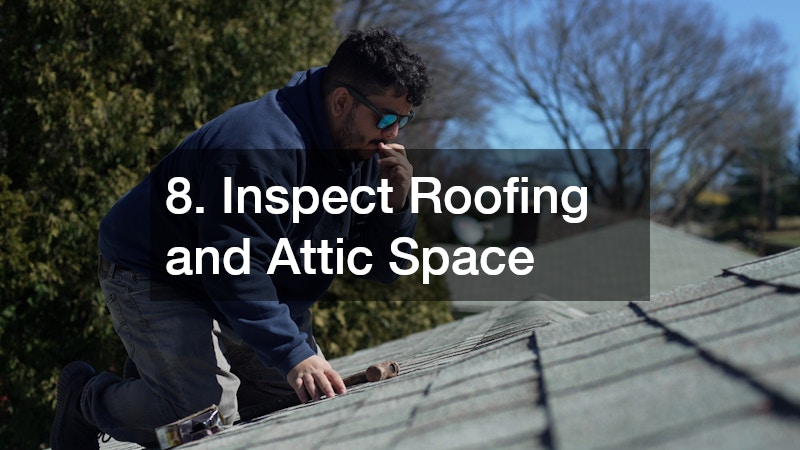
A home’s roof is one of the most important components when it comes to energy efficiency, influencing both insulation performance and attic ventilation. Damaged shingles, leaks, or poorly installed roofing can lead to significant heat loss during winter and excessive heat gain in summer, which increases the demand on heating and cooling systems. Water infiltration caused by roof damage can also compromise insulation, leading to higher energy costs and potential structural problems. Upgrading or repairing residential roofing addresses these issues effectively while enhancing the home’s overall performance.
Professional residential roofing services assess multiple factors, including the type and condition of materials, structural integrity, and energy efficiency features such as reflective coatings or ventilation systems. Proper installation or repair ensures that the roof forms a tight seal against the elements, minimizes drafts, and contributes to consistent indoor temperatures. Additionally, a well-maintained roof protects attic insulation, prevents moisture buildup, and allows for proper attic ventilation, which together help reduce the workload on HVAC systems and further improve energy efficiency.
Energy-efficient roofing materials and techniques, such as cool roofing, insulated underlayments, or properly ventilated ridge systems, can significantly reduce heating and cooling demands. These improvements lower utility bills and extend the lifespan of the home’s structural components. When roofing maintenance and upgrades are combined with attic ventilation improvements and enhanced insulation, homeowners create a comprehensive, layered approach to minimizing energy waste. This strategy not only improves comfort and sustainability but also preserves the long-term value and functionality of the home.
9. Maintain Air Conditioning Systems
Air conditioning systems are a major component of summer energy consumption. When units are poorly maintained, they not only consume excessive energy but can also fail to provide adequate cooling, leading to uncomfortable living spaces and higher utility bills. Regular service ensures that air conditioning systems operate at peak efficiency, extending the lifespan of the equipment while maintaining consistent indoor comfort throughout the warmer months.
Professional air conditioning maintenance includes cleaning coils, checking refrigerant levels, inspecting electrical components, and ensuring fans and compressors are functioning correctly. These steps prevent minor issues from escalating into costly repairs while optimizing system performance. Efficient air conditioning units provide consistent cooling, reduce strain on other components of the HVAC system, and lower overall electricity usage. Homeowners also enjoy improved indoor air quality, as clean and properly functioning systems reduce dust, allergens, and other pollutants circulating in the home.
Integrating air conditioning maintenance into a broader energy-saving strategy ensures that summer comfort doesn’t come at the expense of excessive energy waste. When combined with insulation improvements, proper attic ventilation, and upgraded electrical systems, a well-maintained air conditioning unit becomes part of a comprehensive approach to home efficiency. By addressing cooling needs proactively, homeowners can enjoy a comfortable, energy-conscious living environment while minimizing costs and environmental impact.
10. Install or Upgrade Fireplaces

Fireplaces are often both a luxury feature and a potential source of energy inefficiency if not properly designed, installed, or maintained. Traditional fireplaces can lose a significant amount of heat through chimneys, which increases energy consumption for heating other parts of the home. Modern systems, however, are designed to provide warmth efficiently while minimizing energy loss. Partnering with a professional fireplace company ensures that your fireplace is safe, efficient, and tailored to complement your home’s design.
Upgrades may include high-efficiency inserts, sealed combustion systems, and programmable controls that regulate heat output and reduce wasted energy. Routine maintenance is equally important, addressing issues such as drafts, smoke leakage, or malfunctioning components that could compromise performance. Professionals can also inspect flues, vents, and gas connections to ensure optimal operation. Properly installed and maintained fireplaces not only improve energy efficiency but also enhance interior aesthetics, providing a cozy and inviting focal point in living spaces.
Incorporating fireplace improvements into a comprehensive energy-saving strategy allows homeowners to enjoy the warmth and ambiance of a fireplace without excessive energy use. By combining modern technology, professional installation, and regular upkeep, a fireplace can deliver both elegance and practicality. This approach maximizes comfort, supports sustainable energy use, and contributes to a greener, more efficient home environment while maintaining the luxury and style that homeowners desire.
11. Seal and Insulate Ductwork
Ductwork is a hidden source of energy waste in many homes. Leaks, poor sealing, or uninsulated ducts reduce heating and cooling efficiency, forcing HVAC systems to work harder. Addressing these issues can yield significant energy savings.
HVAC contractors can inspect and seal ductwork, improving airflow and temperature consistency throughout the home. Properly insulated ducts prevent heat loss or gain, lower utility costs, and enhance comfort. This improvement complements other energy-saving measures like furnace repair, air conditioning maintenance, and attic insulation.
Well-maintained ductwork ensures that energy is delivered efficiently to all rooms, reducing waste and supporting the performance of heating and cooling systems. Incorporating duct inspection and sealing into regular home maintenance creates a more energy-conscious and sustainable household.
Reducing energy waste requires a multi-faceted approach. From insulation upgrades and attic ventilation to furnace repair and efficient air conditioning, each step contributes to a more comfortable, cost-effective, and sustainable home.
Professional services—including spray foam company expertise, garage door service, glass company installations, HVAC contractors, electrical services, residential roofing, and fireplace company upgrades—ensure that improvements are effective, safe, and long-lasting. By implementing these 11 practical steps, homeowners can enjoy enhanced comfort, lower utility bills, and a greener footprint while maintaining a stylish and functional living environment.